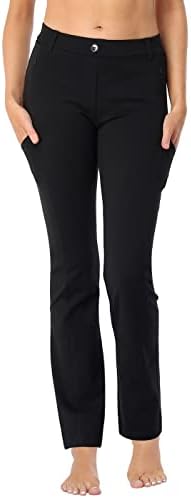
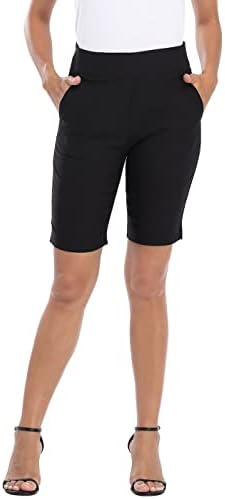
- 67 of our 156 pieces have working pockets, 89 do not
- a pocket bag is extra cloth cut, sewn and carried over the hip
- on a light knit a loaded pocket drags the fabric and shows its own outline
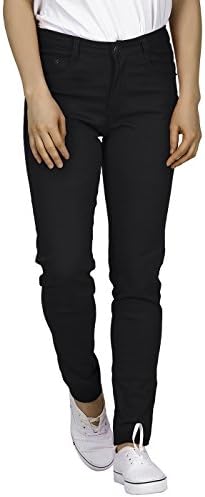
- a stitched-on pocket line with no bag behind it is not a pocket
The count across our whole range
We count every style in our catalogue, and the count is clear. 67 of our 156 pieces have functional storage sewn into them. The other 89 have none at all, which means more than half our styles go without. We know how frustrating that absence is when you put on a pair of pants or a skirt and find smooth cloth where hands should go.
The gap comes down to how different garments are constructed. When we cut a tailored capri or everyday pull-on trousers, we build in the opening and the bag. When we cut light jersey dresses, metallic festival skirts, or basic swim tops, the pockets are usually the first thing dropped. We would rather state that plainly than pretend every cut carries your keys.
What a pocket bag actually adds
A working pocket is not just a slit in a side seam. It requires two extra pattern pieces of cloth cut, turned, and joined to form an interior pouch. That pocket bag sits flat over the hip bone, adding an extra layer of material inside the garment. In thicker woven cotton or structured twill, the extra fabric stays hidden and supports everyday items without warping.
In light knits, that internal bag creates real construction problems. The weight of phone glass or metal keys pulls thin jersey down, stretching the waistline unevenly. The interior bag also creates visible edges under light single-knit fabric, showing the outline of the pocket and whatever sits inside it before you even move.
How to spot an empty seam
A stitched welt or an applied patch on the outside of a garment is not a pocket unless there is depth behind it. Some styles use decorative stitching or topstitched flaps to break up a broad front panel without adding internal volume. If a garment description does not list functional interior bags or seam openings, that topstitching is only a flat line.
Check the construction notes before choosing a piece. We cut deep patch pockets onto many of our casual shorts and sleep pieces because the exterior patch avoids internal hip bulk. On our fitted metallic skirts and simple rompers, however, you will find clean side seams with no storage space tucked inside.
Where our own cuts miss storage
Our sleepwear, loungewear, and festival lines are where storage is missing most often. Thin rib knits and sheer cover-ups cannot carry heavy pockets without sagging at the hems, so we leave them off entirely. That leaves 89 styles where you will need a separate bag or case to hold what you carry.
We keep working on better ways to seat pocket bags into midweight knits without dragging the side seams down. For now, we list the storage details directly in each garment description so you know the exact layout before putting anything on.
Knowing which pieces hold actual pocket bags helps you pick the right cut before you put it on.