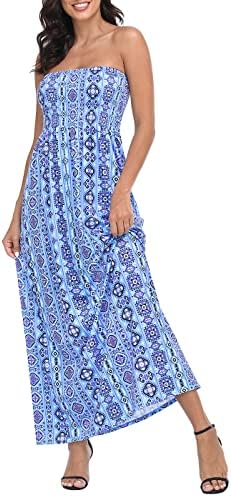
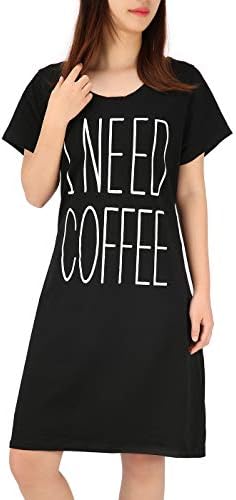
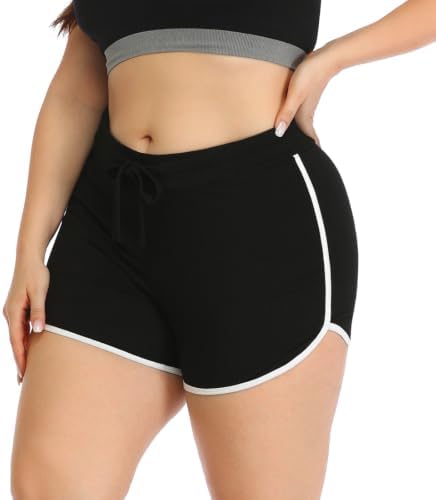
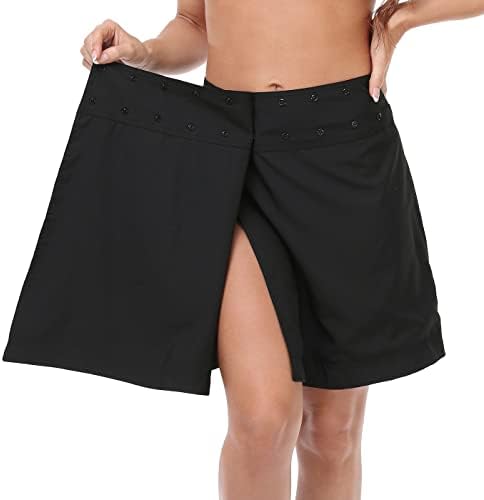
- 47 of our 156 pieces are cut in plus sizes
- grading scales an existing pattern, it does not redraw the armhole or move a shoulder seam
- a pull-on waist and a loose sleeve survive grading better than a set shoulder
- a fixed strap or a set armhole is where a graded pattern shows its origin
- 92 pieces carry wearer notes, which is the fastest check on any of this
How grading scales a garment pattern
We cut 47 of our 156 pieces in plus sizes. For most of these, we grade the original pattern up rather than drawing a separate plus block from scratch. Grading adds set increments across the bust, waist, and hips. It scales the perimeter of the panels outward in regular steps across the whole size run.
That process expands the overall width, but it does not change the core architecture of the cut. Grading scales an existing pattern; it does not redraw the armhole or move a shoulder seam. The proportions expand proportionately, yet the foundational points of the original draft stay tied to their initial positions on the grid.
Where graded patterns hold their line
Certain shapes take this scaling without trouble. A pull-on waist and a loose sleeve survive grading better than a set shoulder. Garments with elasticated bands, gathered skirts, and unstructured drop shoulders absorb extra room across the torso without warping the line or bunching around the joints.
Straight-body jersey cuts, skorts, and relaxed lounge tops also maintain their balance when scaled this way. The fabric falls cleanly because there is no rigid tailor point fighting the broader measurement. When a piece relies on ease rather than precision seams, the graded cut behaves consistently across sizes.
Where the single draft shows its limits
Precision cuts are where the process shows strain. A fixed strap or a set armhole is where a graded pattern shows its origin. When an armhole simply enlarges along the original curve, it can drop too low or pull forward across the chest instead of sitting flush against the frame.
Fixed shoulder seams can also drift too wide on scaled patterns, resting past the natural shoulder turn. Fixed straps do not account for different torso lengths across larger measurements, which leads to gaping or pulling. Fitted woven bodices and rigid tops struggle most under direct grading.
Checking wearer notes before picking a size
We believe in laying out these limitations so you can assess the cut before deciding. We track feedback directly on the garment pages, where 92 pieces carry wearer notes, which is the fastest check on any of this. Those comments record where seams pull, gap, or run narrow.
Reading what people who wore it said tells you if an armhole cuts high or if a strap sits loose. A size letter gives very little practical information on fit. The field comments on the construction give the clearest account of how each graded piece truly sits.
Knowing how a pattern is scaled lets you choose cuts built for ease and skip cuts that require a distinct block.