- our catalogue uses 27 different size labels across 156 pieces
- those labels belong to 6 naming systems that do not convert into each other
- 36 listings carry a measurement chart of their own
- 92 pieces carry notes from people who wore them, out of 156
- across 225 comments, 101 called the cut true, 72 called it snug and 84 called it loose
The mess across our own labels
Our catalogue uses 27 different size labels across 156 pieces of clothing. Those tags come from 6 naming systems that do not translate into each other in any clean way. A letter tells you nothing about a waist number, an extra mark, a youth scale, a banded range, or a single cut. That confusion is our own doing, not yours, and we do not pretend the split makes sense.
We did not draw a neat master conversion chart to hide that tangle. Papering over the differences only leads to picking the wrong piece and dealing with the hassle afterward. Across the entire range, 36 listings carry a measurement chart of their own. For the rest, looking at the letter alone leaves you guessing how the fabric sits once you pull it on.
Why wearer notes tell the truth
We collect what people who wore our clothes had to say about the fit instead of making promises. Across 225 comments, 101 called the cut true to what they expected, while 72 called it snug and 84 called it loose. When a cut pulls tight across the hips or leaves slack at the waistband, we print that directly on the page.
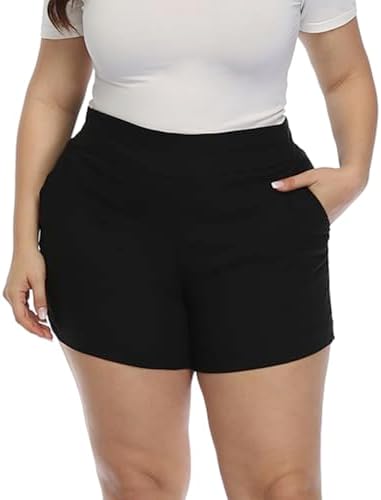
Hearing that a jersey top runs narrow or that pull-on pants give you extra room helps you choose once. We cut straight and plus sizes from the same patterns across skirts, shorts, and cotton sleep pieces. Real feedback from the person wearing the cloth tells you how the rise feels and whether the pocket sits flat against your hip.
Where our fit notes run out
This record is far from complete across our catalogue. Only 92 pieces carry notes from people who wore them, out of 156 items in our current lineup. If an item has no notes attached to it, we have nothing honest to add about how the cut behaves. We leave those blank rather than filling space with guesswork about the seams or the drape.
A brand-new cut or a short run of metallic festival pieces might sit with zero wearer notes for months. Until enough people put the piece on and tell us how the band holds or where the hem lands, we keep quiet. We refuse to pad an empty section with vague assurances about how the garment might fit on your frame.
Checking the construction yourself
The best way to judge a garment is to look closely at the cloth and the seams. We make rash guards, skorts, and pocket leggings using flat stitching, elastic waistbands, and sturdy hems you can measure directly. Checking the rise against a pair of shorts you already own tells you far more than any letter printed on an inside neck label.
We want you to pick the right cut on the first pass and keep wearing it. Fabric weight, band widths, and actual wearer comments give you the facts you need before you decide. When the notes say a cut runs small, believe them and check the dimensions before settling on your choice.
Clear measurements and unvarnished comments from people who wore the clothes help you pick the right cut the first time.