- 55 of our 156 pieces close without a zip or a button
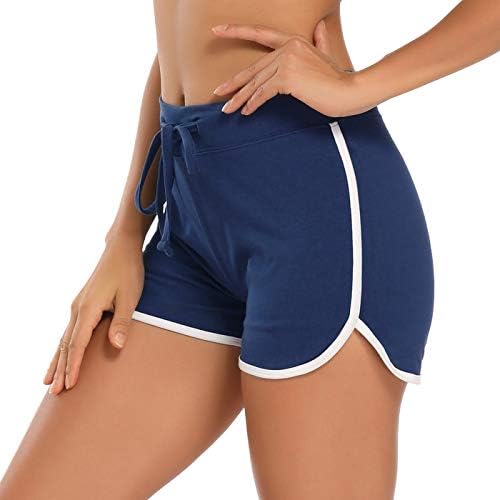
- 14 pieces carry a drawstring through the waist, the rest rely on knit alone
- a pull-on waist must open wide enough to pass the hips, which sets how loose it sits at the waist
- knitted elastic relaxes with wear, and a hot dryer speeds that up
Why we build so many elastic waists
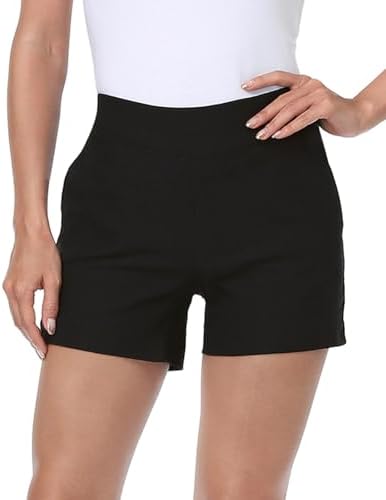
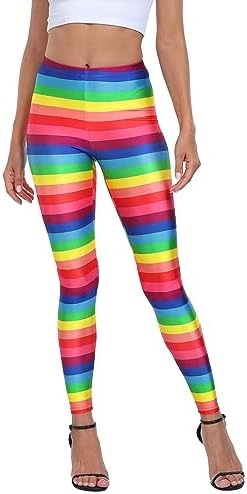
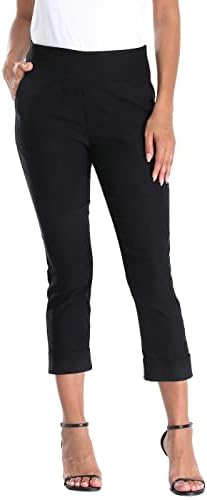
We build trousers, capris, skirts and shorts that pull straight on because omitting a zip removes the primary point of mechanical failure. Across our range, 55 of our 156 pieces close without a zip or a button. There are no metal teeth to catch on fabric, no loose buttons to resew, and no thick plackets adding bulk across the front of the garment.
The construction is straightforward: we turn down the top edge of the fabric, insert a strip of knitted elastic, and stitch it down with a flexible seam that moves with the cloth. It creates a simple garment that goes on in one motion and sits flat under un-tucked tops.
The hip measurement sets the waist circumference
Because there is no fly to widen the opening during dressing, the waistband must stretch wide enough to pass over the fullest part of the hips. That physical requirement sets the resting width of the top channel. If the elastic is cut too narrow, the seam will snap during dressing. If it is cut too wide, the waist will not hold against the torso.
This pattern geometry creates a clear limitation. For a body where the hip measurement is significantly larger than the waist measurement, a pull-on waistband can gap or sit loose at the lower back. The waistband can only pull in so much extra cloth before the fabric begins to bunch heavily beneath the casing.
What happens to elastic over time
Every pull-on garment relies on rubber filaments inside the elastic band to pull the waistband back into shape. Knitted elastic relaxes with repeated wear, and laundering habits change that pace. High heat from a tumble dryer breaks down the internal strands, causing the band to go slack and stop pulling back.
Air drying helps elastic keep its tension across more wash cycles. Only 14 of our pieces carry an external drawstring threaded through the channel to add mechanical adjustment. On the remaining pieces that rely on knit alone, once the elastic loses its spring, the waist cannot be tightened without unpicking the top seam and running a fresh band through.
How to check the fit before keeping
When trying on pull-on trousers, check how the band behaves when moving from standing to sitting. If the back waistband slides down when you sit, the band does not have enough tension to hold the top of the garment in place. Wearer notes on our styles often describe whether a waistband stays put or creeps down during walking.
If the piece feels loose when fresh, it will not grow tighter with wash cycles. A garment that relies purely on elastic should fit snugly against the torso at first wear, without requiring constant pulling up, because the band will only relax further as it ages.
Pull-on waists trade mechanical closure for speed and simplicity, relying entirely on the tension of knitted elastic.