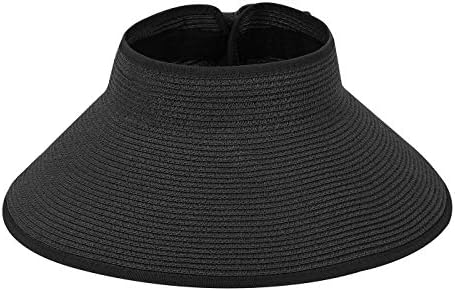
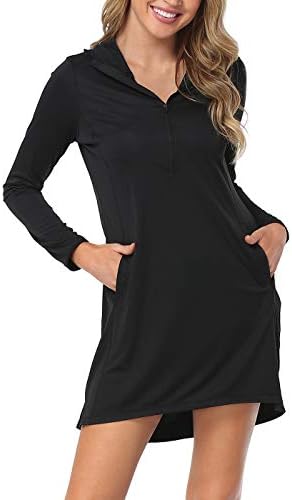
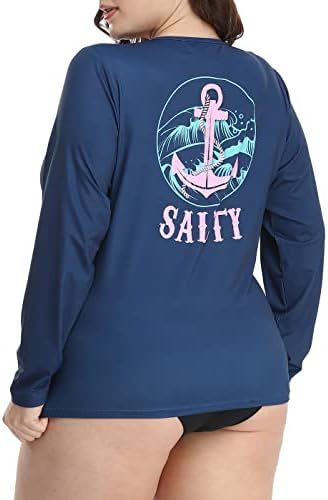
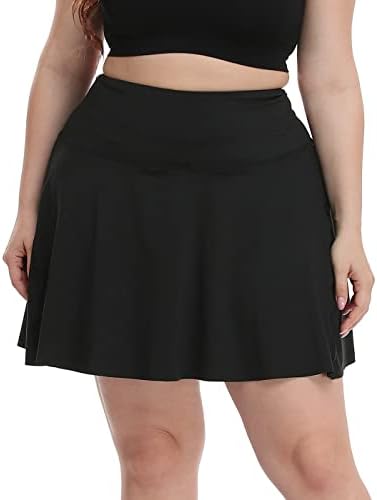
- 11 of our 156 pieces state a UPF figure on the listing
- a UPF figure is measured on the cloth itself, dry, new and unstretched
- a denser weave and a deeper dye raise the figure, a looser open weave lowers it
- stretching a knit over a body opens the weave and wetting it changes how it sits
- our 19 swim and cover-up pieces are where the figure appears most
How laboratory fabric testing works
A UPF figure belongs to the flat bolt of cloth before anyone cuts or wears it. Technicians test the swatch dry, new, and completely unstretched on a flat bench. In our catalogue, 11 of our 156 pieces carry this figure on the product page. Much like a fabric weight measurement, the figure tells you about the structure of the woven or knitted material itself under static conditions.
The measurement reflects how much light passes through the yarn gaps. It does not account for movement, tension, moisture, or the cut of the final garment. Our 19 swim and cover-up pieces account for most garments where we list this specification. Knowing how the laboratory measures the material helps set realistic expectations for the physical cloth.
Elements that raise the measured value
Two main physical traits drive the lab number higher on any dry sample. The first is weave density, which means packing more yarn into every square inch of cloth so fewer open gaps remain between the threads. The second is dye depth, because dark and deeply saturated pigments block more light transmission through the individual fibres than pale, bleached, or pastel yarns do.
A heavier base yarn also increases the bench reading by thickening the physical barrier. When we select a UPF fifty fabric for a rash guard or cover-up, we choose a tight knit with saturated colour. These physical properties are measurable on a flat table, giving a consistent baseline for comparing different textiles before assembly.
Why real use alters the cloth
Real wear changes the geometry of any textile. When a wearer pulls a close-fitting top over the body, the knit stretches out, widening the spaces between adjacent yarns. That mechanical pull lowers the effective barrier compared to the flat bench test. Looser garments experience less tension across the seams, leaving the original yarn spacing closer to its relaxed state.
Water also changes how a textile interacts with light. Soaking a piece of fabric fills the air spaces between yarns with liquid, which alters light transmission through the structure. A garment that measures as UPF fifty fabric on a dry test bench behaves differently once saturated in a pool or rinsed under a tap.
Age and repeated laundering
Every textile changes across seasons of laundering and extended wear. Repeated wash cycles gradually thin out surface fibres and loosen the structural tension of the knit. A fabric that starts with a dense weave can slowly open up over years of friction, mechanical agitation, and regular stretching. These shifts are normal for any knit or woven material over time.
We print what wearers told us about cut and fabric weight so you can choose the right build. Knowing that the laboratory figure applies strictly to new, dry, resting yardage allows for a practical assessment of how different cover-ups, rash guards, and swim pieces perform through actual seasons of regular wear.
A lab figure describes the density and dye of new, flat cloth, while fit, moisture, and tension determine how the material behaves once worn.